
Evaluating Metrics for Efficiency: 678685229, 936295562, 647967091, 645067918, 8000322392, 6025421048
The evaluation of metrics for efficiency, such as 678685229, 936295562, and others, provides a framework for assessing organizational performance. Each metric serves as a numerical identifier, reflecting specific operational aspects. Analyzing these figures can reveal underlying patterns and trends that indicate strengths and weaknesses. Understanding these insights may pave the way for targeted improvements. However, the implications of these metrics raise questions about their strategic application in decision-making processes.
Analyzing the Metrics: Understanding Their Significance
Metrics serve as essential tools in evaluating efficiency across various domains. Their significance lies in data relevance, allowing stakeholders to gauge performance accurately.
By conducting metric comparisons, organizations can identify strengths and weaknesses, facilitating informed decision-making. This analytical approach promotes transparency and accountability, enabling entities to optimize processes and enhance overall effectiveness.
Ultimately, this supports a culture that values freedom and continuous improvement.
Identifying Patterns and Trends in the Data
While organizations often collect vast amounts of data, the true value lies in their ability to identify patterns and trends within that information.
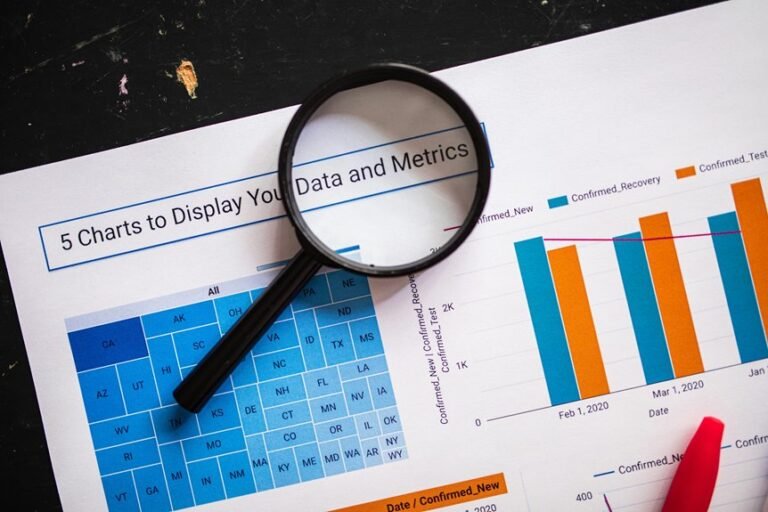
Employing data visualization techniques enhances comprehension, allowing stakeholders to grasp complex relationships.
Additionally, utilizing trend analysis methods can reveal significant shifts over time, enabling informed decision-making.
This process fosters a proactive approach, empowering organizations to adapt and thrive in dynamic environments.
Areas for Improvement: Insights From the Metrics
Identifying patterns and trends provides a foundation for evaluating performance metrics and recognizing areas that require enhancement.
Analysis reveals performance gaps that hinder overall efficiency. Implementing targeted optimization strategies can address these shortcomings, ensuring resources are utilized effectively.
Leveraging Metrics for Enhanced Decision-Making
Harnessing the power of data-driven insights can significantly improve decision-making processes within organizations.
Effective data visualization allows stakeholders to grasp complex information rapidly, facilitating informed choices.
Additionally, metric comparison enables the identification of trends and performance gaps, fostering strategic adjustments.
Conclusion
In the juxtaposition of raw numerical data lies both the promise of efficiency and the specter of inefficiency. While metrics such as 678685229 and 936295562 illuminate pathways to operational excellence, others, like 8000322392 and 6025421048, reveal potential pitfalls. This duality underscores the critical need for organizations to not only analyze these figures but to embrace them as catalysts for change. Through informed decision-making, stakeholders can transform weaknesses into strengths, fostering a culture of continuous improvement.